The Critical Mistake: Neglecting to Proofread Your English Writing
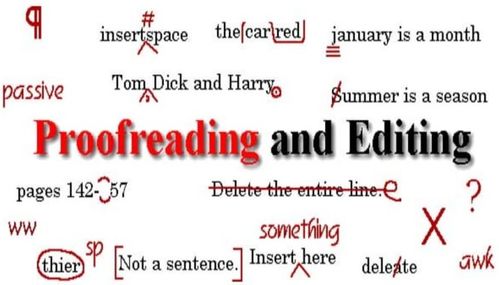
For many students and professionals, the process of English writing, especially for academic papers, can feel like a marathon. The relief of typing the final sentence often leads to a tempting yet perilous shortcut: submitting the work without a thorough review. This oversight, particularly prevalent in the context of English essay and thesis writing, is not merely a minor slip but a critical error that can undermine hours of diligent effort. The consequences range from minor embarrassments to severe academic penalties, making post-writing proofreading an indispensable final step in the writing process.
The Illusion of Completion and Its Pitfalls
The primary reason writers skip proofreading is the powerful feeling of being "done." After grappling with arguments, evidence, and structure, the mental fatigue is real. However, a first draft is rarely a finished product. At this stage, the text is riddled with what can be categorized as "residual errors": typos from fast typing, grammatical slips, inconsistent verb tenses, misplaced punctuation, and awkward phrasing that made sense during the heat of composition but now read clumsily. Without a dedicated review phase, these errors become the reader's first impression, distracting from the content's substance and casting doubt on the writer's credibility and attention to detail. In academic writing, where precision is paramount, such mistakes can significantly weaken an otherwise strong argument.
Beyond Surface Errors: The Deeper Value of Revision
Proofreading is often misunderstood as merely hunting for spelling mistakes. Its true value lies in a multi-layered revision process. A comprehensive check involves:
- Structural Integrity: Is the thesis statement clear? Does each paragraph have a strong topic sentence and flow logically to the next? Are arguments supported coherently?
- Clarity and Conciseness: Are sentences wordy or ambiguous? Can complex ideas be expressed more simply? Is the vocabulary precise and academic?
- Grammar and Mechanics: This includes subject-verb agreement, correct article usage (a/an/the), proper preposition collocations, and consistent tense usage—common trouble spots for even advanced English learners.
- Formatting and Consistency: Are citations and references formatted correctly (APA, MLA, Chicago, etc.)? Is the font, spacing, and heading style uniform throughout?
Skipping this process means these foundational elements go unchecked, leaving the paper's quality to chance.
The Temptation of "代写" (Ghostwriting) and the Proofreading Void
The pressure to produce high-quality English papers, particularly for non-native speakers, has fueled the market for "代写" or ghostwriting services. While ethically and academically fraudulent, these services present a unique proofreading dilemma. A writer who submits a purchased or commissioned paper as their own is exceptionally unlikely to proofread it carefully. They are disconnected from the content's creation, making it difficult to assess logic flow or argument coherence. Furthermore, they miss the crucial learning opportunity that comes from reviewing and correcting one's own work. Any subtle errors, unnatural phrasing, or mismatches with the student's known proficiency level left by the ghostwriter become glaring red flags to experienced instructors, increasing the risk of detection and severe academic consequences.
Strategies for Effective Proofreading
To avoid the critical mistake of neglecting review, writers should adopt a systematic approach:
- Create Distance: After finishing the draft, step away for a few hours or even a day. Returning with fresh eyes makes errors more visible.
- Change the Medium: Print the paper or change the font/size on screen. This alters the visual layout and helps spot mistakes missed on the digital draft.
- Read Aloud: Reading the text slowly and aloud forces you to process every word and often highlights run-on sentences, missing words, or awkward rhythm.
- Backward Reading: Reading the paper sentence by sentence from the end to the beginning isolates grammar and spelling issues by breaking the logical flow.
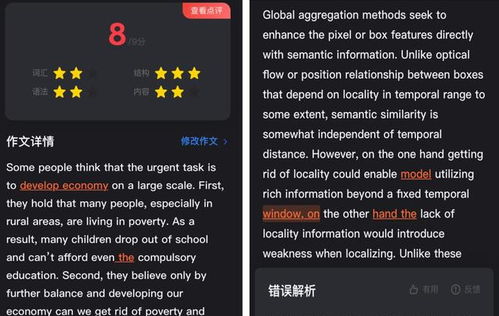
- Use Tools, Don't Rely on Them: Spell-checkers and grammar tools like Grammarly are helpful assistants but are not infallible. They can miss context-specific errors and incorrect word choices (e.g., there/their/they're).
- Seek a Second Pair of Eyes: Ask a peer, tutor, or mentor to review your work. They can catch errors you've become blind to and provide feedback on clarity.
In conclusion, writing an English essay or thesis is a two-stage craft: creation and refinement. Treating the first draft as the final product is a disservice to the work itself. Whether the writing is one's own or, unadvisedly, sourced from elsewhere, a meticulous, multi-faceted proofreading process is non-negotiable. It transforms a raw draft into a polished, credible, and effective piece of communication. In academic and professional realms, where ideas compete for attention, the clarity and correctness of your presentation are just as important as the ideas themselves. Never let the fatigue of finishing rob you of the power of perfecting.
如若转载,请注明出处:http://www.lw-sky.com/product/291.html
更新时间:2026-02-24 08:20:58