Critical Review写作指南 结构、技巧与实例分析
一、Critical Review的结构
一篇标准的Critical Review通常包含以下四个部分:
- 引言:简要介绍被评作品的基本信息(如作者、标题、出版时间),概述其核心论点或内容,并明确你的批判性立场。
- 总结:客观概括作品的主要内容、论点或情节,避免在此部分加入个人评价。
- 批判性分析:这是文章的核心。从多个角度(如论证逻辑、证据支撑、理论框架、语言表达等)分析作品的优缺点,并使用具体例子支持你的观点。
- 结论:总结你的分析,重申主要评价,并提出对作品改进的建议或其在学术领域的潜在影响。
二、写作窍门
- 保持客观与平衡:避免纯粹褒奖或贬低,应同时讨论作品的优点和局限性。
- 使用证据说话:每个批判点都必须有具体例子支撑,如引用原文或数据。
- 批判而非批评:关注作品的论证质量、逻辑一致性等学术要素,而非个人好恶。
- 运用学术语言:使用如“The author effectively demonstrates...”、“However, the argument lacks...”等专业表达。
- 注重结构连贯:使用过渡词(如“furthermore”、“conversely”)确保段落间逻辑流畅。
三、例文节选
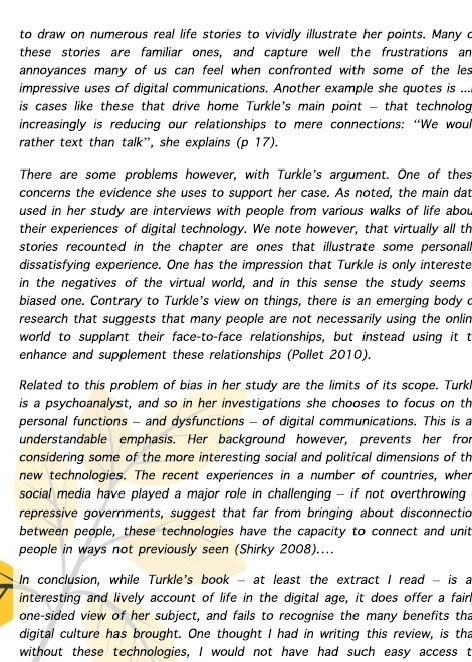
以下是对一篇虚构学术论文《数字时代社交媒体对青少年心理健康的影响》的批判性评价节选:
引言段:"In her 2023 article 'Social Media's Impact on Adolescent Mental Health in the Digital Age,' Dr. Emily Chen presents a timely examination of... While the study offers valuable insights into... this review argues that its methodological limitations undermine the robustness of its conclusions."
分析段示例:"Chen's use of longitudinal data from 500 participants strengthens her argument regarding correlation between social media usage and anxiety symptoms. However, the exclusive reliance on self-reported measures creates potential bias, as adolescents may underreport problematic usage. Furthermore, the study fails to adequately address confounding variables such as pre-existing mental health conditions..."
四、重要提醒
本文旨在提供学术写作指导,强烈反对任何形式的论文代写行为。学术诚信是研究的基石,代写不仅违反学术道德,还可能带来严重后果。建议通过掌握正确的写作方法,自主完成学术工作。
通过遵循以上结构和技巧,您将能够撰写出逻辑严密、论证有力的Critical Review。
如若转载,请注明出处:http://www.lw-sky.com/product/236.html
更新时间:2026-01-25 05:14:02